Women’s Experiences in the Workplace: Progress Without Real Change
It’s been a decade since we began to see tangible progress in women’s representation in the workplace, particularly in senior leadership roles. On the surface, the numbers look promising, with women now holding 29% of C-suite positions, compared to just 17% in 2015 (Women in the Workplace 2024 report by LeanIn.Org and McKinsey). However, when we dig deeper into the data and examine the day-to-day experiences of women, it becomes clear that meaningful change remains elusive.
As someone who works closely with women through the Women Rising program, I hear firsthand stories of ambition, resilience, and the painful persistence of the challenges women face in navigating their careers. These stories reveal a paradox: despite higher levels of success, many women still encounter systemic barriers that undermine their professional potential.
1. COMPETENCE UNDERMINED BY MICROAGGRESSIONS
One of the most pervasive forms of bias women face is the questioning of their competence. According to the Women in the Workplace report, women are nearly twice as likely as men to be mistaken for being more junior than they are, regardless of their actual experience or leadership position. Women of colour face an even steeper uphill battle, as they often contend with racial bias layered on top of gender discrimination.
These microaggressions are not just annoying—they’re erosive. They wear down women’s confidence and prevent them from fully engaging at work. This is especially true for women of colour who frequently hear comments expressing surprise at their professional acumen or language skills, further alienating them in the workplace.
Despite these challenges, women remain highly ambitious, as ambitious as their male counterparts. But the constant questioning of their abilities makes it difficult for them to thrive in environments that, on paper, are designed for success.
2. THE BROKEN RUNG AND ITS IMPACT
One of the most concerning findings from the Women in the Workplace 2024 report is the persistence of the "broken rung"—the critical step from entry-level positions to managerial roles. For every 100 men promoted to manager, only 81 women are promoted, with the numbers even worse for women of colour (only 54 Black women promoted). This broken rung limits the pool of women available to rise into higher leadership roles.
This issue is central to both the Women Rising and Male Allies programs, where we focus on dismantling these barriers through a combination of personal empowerment and active allyship. Men need to understand the critical role they play in advocating for the promotion of women and ensuring that bias is removed from these crucial early-career decisions.
3. AMBITION WITHOUT SUPPORT: LEADERSHIP BURNOUT
The Women in the Workplace report reveals a worrying trend—women are burning out at higher rates than men, and this is especially true for women in leadership. As highlighted in the Women Rising book, women often take on disproportionate amounts of invisible work, such as mentoring, diversity initiatives, and emotional labour, while receiving little recognition for these contributions.
This workload leads to burnout, forcing many women to either opt out of leadership or scale back their careers. For midlife women, this burnout is compounded by the realisation that many corporate structures are deeply embedded in patriarchal values, which makes them question whether they want to continue fighting the system or walk away.
4. THE STAFF ROLE TRAP
The Women in the Workplace 2024 report also notes that while women have made significant gains in leadership, much of this progress has been in staff roles (e.g., HR, legal) rather than profit-and-loss (P&L) roles that are critical for long-term leadership progression. Companies often add new staff roles and hire women into these positions, which inflates the appearance of progress but does not create sustainable pathways to core decision-making power in the organisation.
This fragile progress needs to be addressed by focusing on placing more women in P&L roles, where they can influence business outcomes and strategic direction. Otherwise, organisations risk stalling their progress toward true gender equity in leadership.
5. MEN AND WOMEN SEE PROGRESS DIFFERENTLY
One of the more striking findings from the Women in the Workplace report is the disparity between how men and women perceive progress. Nearly 9 in 10 senior-level men believe that women’s opportunities to advance have improved, compared to just over 6 in 10 senior-level women. This optimism from men reflects a gap in understanding the barriers women still face—particularly the subtle, yet impactful, biases.
While only 1 in 10 senior-level men observe microaggressions in the workplace, 4 in 10 senior-level women have witnessed or experienced biased interactions. This disconnect is crucial and points to a need for male allies to step up and be more aware of the challenges women face, both overt and covert.
Even at home, men and women experience inequality differently. Today, 4 in 10 women with partners say they are responsible for most or all of the housework—the same figure as in 2016. Men, on the other hand, are more likely to report sharing the workload equally. These differences in perception highlight the importance of addressing not just workplace inequity but also the broader societal structures that impact women’s ability to lead fully.
6. WHAT NEEDS TO CHANGE: BEYOND PERFORMATIVE ALLYSHIP
Representation matters, but it’s not the whole solution. We need to move beyond counting the number of women in leadership and start focusing on the quality of their experiences. Real change requires more than performative allyship or ticking the box with diversity initiatives.
At Women Rising, we advocate for both internal and external solutions. Internally, women need to build their resilience, confidence, and power through programs designed to help them navigate these systemic challenges. Externally, companies must implement real structural changes—like ensuring equitable promotion practices, providing support for leadership roles beyond HR, and creating accountability around diversity initiatives.
7. THE PATH FORWARD
As we look to the future, it’s clear that the conversation about gender equity needs to evolve. We’ve made progress in getting more women into the room, but now it’s time to focus on what happens once they’re there. Companies need to address the cultural and structural barriers that continue to undermine women’s day-to-day experiences at work.
We have the data. We have the tools. Now, it’s time for action. Women’s experiences in the workplace can and must improve, but it requires all of us—leaders, allies, and advocates—to make that change.
READY TO RISE ABOVE THE BARRIERS?
If you’re ready to take action and move beyond the systemic barriers holding women back, our Women Rising program provides the tools and support you need. From dismantling internal barriers like the inner critic to navigating external workplace challenges, we’re here to empower you to lead with confidence and resilience.
For organisations looking to foster true gender equity, our Male Allies program offers practical steps to educate and engage men as active allies in creating more inclusive workplaces. We help companies move beyond performative allyship to real, lasting change.
And if you want a deeper dive into the forces that hold women back—and the tools to rise above them—don’t miss the book, Women Rising: The forces that hold us back, the tools to help us rise. It’s a comprehensive guide to overcoming both internal and external barriers to leadership.
Join us and be part of the movement to create positive change for women at work.
 About the author: Megan Dalla-Camina is an author, PhD researcher, Founder and CEO of the Women Rising Program and Male Allies Program. A globally recognised leadership expert, coach & mentor, she supports women and male allies to lead with confidence, clarity, and purpose in complex modern workplaces.
Read the full bio.
+ What is the “broken rung,” and why is it so damaging to women’s advancement?
The “broken rung” refers to the persistent gap in promotions from entry-level to managerial roles. For every 100 men promoted, only 81 women—and even fewer women of colour, move up. This creates a bottleneck that limits the pool of women eligible for senior leadership positions. Fixing the broken rung is essential for building a sustainable pipeline of female leaders.
+ Why are so many women leaders burning out despite career success?
Women in leadership often take on extra emotional and invisible labour, such as mentoring, diversity work, and people management, without recognition or reward. Combined with external pressures and patriarchal workplace structures, this imbalance leads to exhaustion and disillusionment. Addressing burnout requires both organisational reform and personal strategies for wellbeing and balance.
+ How can companies move beyond performative allyship to real gender equity?
Real change requires structural accountability. Companies must ensure equitable promotion practices, place more women in profit-and-loss (P&L) roles, and train leaders, especially men—to recognise bias and act as allies. Allyship must go beyond statements of support; it’s about sustained action, measurable outcomes, and shared responsibility for inclusion.
+ What steps can women and organisations take to create lasting change?
Women can strengthen confidence and resilience through programs like Women Rising, which focus on internal empowerment and leadership development. Organisations can pair these efforts with external reforms, fair pay structures, accountability for bias, and equitable career pathways. Together, these internal and external strategies create the foundation for meaningful, lasting change.
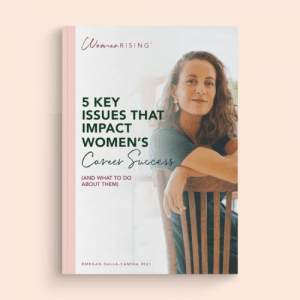
5 Key Issues That Impact Women’s Career Success